Evolving Digital Worlds Elevate Casino Expression
Table of Contents
Evolving Digital Worlds Elevate Casino Expression
The casino landscape has always thrived on spectacle, sensory overload, and atmosphere. But recently, that atmosphere has changed dramatically. The evolution from neon-lit halls to virtual spaces has redefined what “casino expression” really means. No longer confined to physical interiors and glittering machines, it now extends into immersive, customizable digital realms. Platforms focusing on skill, luck, and aesthetics have collided into new forms of entertainment, giving both players and developers more creative freedom than ever.
I recently came across a site featuring the Plinko Game, and it struck me as an example of how simple mechanics can meet complex design. It’s not just about gambling anymore, it’s about personality within play. Whether someone’s drawn by nostalgia or by futuristic visual themes, those aesthetic decisions help define modern online casino identity. And maybe that’s why, in a strange way, we’re seeing emotion return to something once purely transactional.
The Digital Shift in Casino Culture
When traditional casinos started building online counterparts, expectations were modest. People wanted convenience, fast gameplay, and perhaps a bit of privacy. Yet, digital environments grew richer over time, transforming into spaces that reflect different moods, worlds, even fantasies. It’s no longer just about playing a slot or drawing a card; it feels more like entering an ecosystem of interactive expression.
In these virtual casinos, the concept of “atmosphere” has reemerged with new energy, expressing narrative styles instead of mere decoration.
- Animated lobbies now tell stories before you even bet a coin.
- Reward systems feel like personal adventures, with progress bars and ranks replacing coins and clinking tokens.

Interactive Realms of Play
If you think about it, personalization is the quiet revolution behind this evolution. Developers began adding avatars, personal dashboards, and styles that differ for each user. One gambler might favor cosmic backgrounds and synthwave soundtracks, while another keeps things minimal and peaceful. These differences may seem small, but they serve powerful psychological roles, blending familiarity with ambition.
From welcome bonuses shaped by a player’s history to adaptive slot algorithms that gently shift difficulty curves, personalization now feels almost human.
Here’s a quick outline showing some tools behind the personalization trend and how players often respond emotionally:
| Feature | Emotional Response |
| Customizable Avatars | Attachment and identity creation |
| Dynamic Backgrounds | Immersion and focus |
| Adjustable Bonuses | Trust, perceived fairness |
Personalization and Human Touch
Technology is usually accused of making experiences colder. Ironically, in digital casinos, it seems to bring the opposite effect. The precision of modern algorithms, combined with intuitive design, provides smoother gameplay and transparent mechanics. Live chat hosts, virtual dealers, even AI assistants sometimes bring warmth or reassurance, perhaps because of their immediacy.
Using encrypted payment systems and real-time analytics, casinos began to focus not just on safety, but on emotional reliability too. Think of it like a balance between function and personality: even risk feels predictable. Still, trust needs nurturing, and I think the industry knows that.
- Players expect fairness before entertainment.
- Transparent payout tables build loyalty faster than flashy promotions.
- Support teams using natural conversation make the difference between a return visit or a lost customer.
Hover to see a small fact: Blockchain-based audits are increasingly used by digital casinos for security verification.
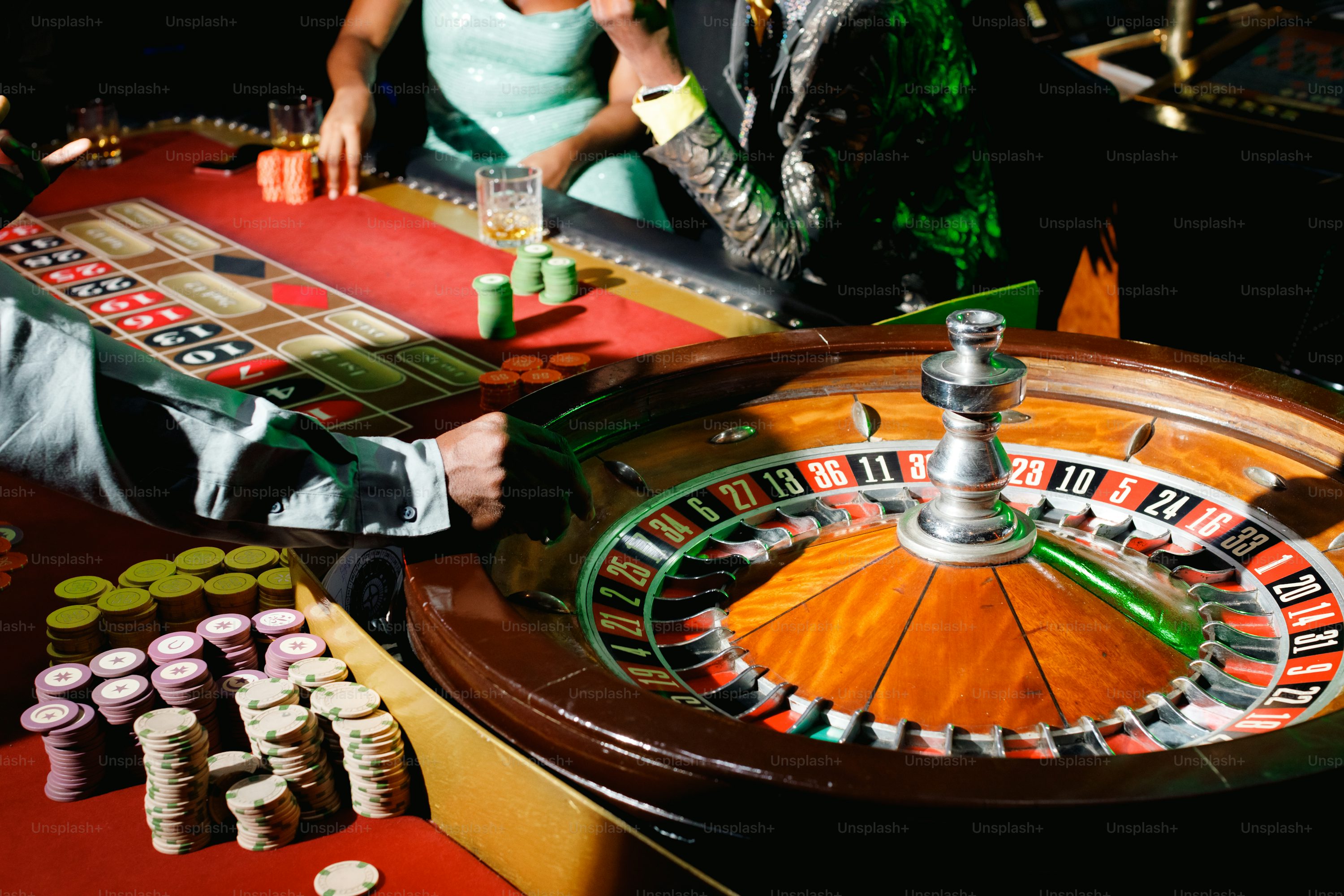
Technology no longer hides behind numbers; it frames emotion and defines trustworthiness within gaming experiences.
Technology and Trust in Modern Casinos
Visual design remains the most direct form of expression for modern gambling worlds. Animation speed, lighting balance, and even sounds are chosen deliberately to evoke comfort. A designer once told me that too many bright flashes can make a player anxious, while slow gradients keep engagement high without tension. I found that interesting because it makes aesthetic care feel like psychology in disguise.
- Slot animations often slow subtly before big wins, adding emotional weight.
- Color schemes are tailored for relaxation or energy, depending on target demographics.
Let’s take a closer look at the way these visuals interact with modern casino functions:
| Visual Element | Casino Function | Psychological Effect |
| Subtle Animation | Keeps focus on reels | Calm attention |
| Shadow Accents | Highlights critical buttons | Smooth visual guidance |
| Balanced Color Palette | Aesthetic consistency | Ease of interaction |
- Visual choices make gameplay less tiring.
- They subtly guide emotional flow during sessions.
- Design coherence often correlates with user retention, more than odds do.
Perhaps casino art now speaks as loudly as its jackpots, redefining what players remember long after logging out.
FAQ
- How do digital casinos differ from traditional ones?
They offer accessibility, personalization, and global communities, often trading physical atmosphere for creative design and round-the-clock availability. - Is online gambling secure?
Most licensed platforms incorporate encryption, blockchain verification, and responsible gaming tools, ensuring both fairness and safety for players. - Do visual and interactive elements influence winnings?
No, they don’t alter probabilities, but they strongly affect perceived experience and emotional involvement, which keeps players returning. - What role will AI play in casino experiences?
AI increasingly helps personalize bonuses, improve fairness monitoring, and manage responsible gaming controls without intruding on player autonomy.